cadmatix

Why Businesses Choose Professional CAD Services Over Freelance Drafting

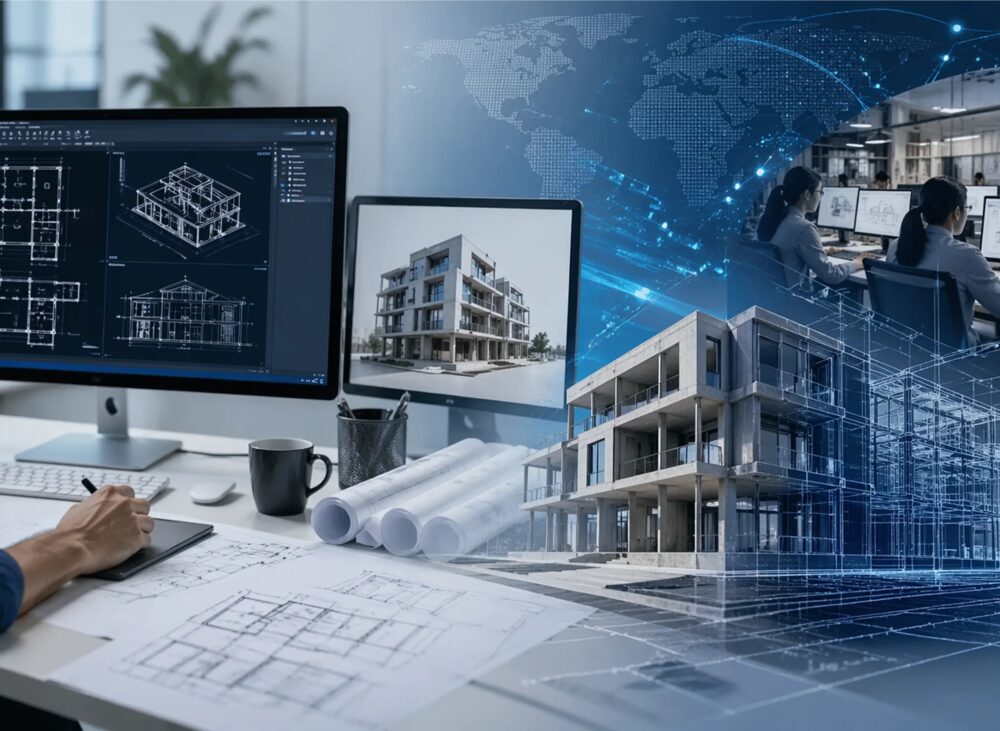
In today’s engineering and construction industry, businesses need more than just technical drawings—they need reliable partners who can deliver accuracy, consistency, and long-term support. Whether developing a commercial building, designing industrial equipment, or planning a residential project, the quality of CAD drawings directly impacts the success of the entire project. While freelance drafting services may seem like a cost-effective option, many companies prefer working with professional engineering firms that provide complete CAD solutions backed by technical expertise and quality assurance. Professional CAD services offer a structured approach to engineering and design. Unlike individual freelancers who often work independently, engineering companies have experienced teams that include CAD specialists, architects, engineers, and project coordinators. This collaborative environment allows every drawing to be reviewed carefully before delivery, reducing the possibility of errors and ensuring that projects meet industry standards and client expectations. One of the main reasons businesses choose professional CAD services is reliability. Construction and engineering projects operate on strict schedules, and delays in technical documentation can affect procurement, approvals, and on-site activities. Professional engineering companies follow organized workflows and project management practices that help ensure drawings are delivered on time. Clients can rely on consistent communication, scheduled updates, and dependable support throughout the project lifecycle. Accuracy is another important factor. Technical drawings are used by contractors, manufacturers, consultants, and regulatory authorities to execute projects correctly. Even minor drafting mistakes can result in costly rework, material waste, or construction delays. Professional CAD companies implement quality control procedures to verify dimensions, specifications, annotations, and technical details before drawings are issued. This extra level of review significantly reduces project risks and improves construction efficiency. Another advantage of working with a professional CAD service provider is access to a wider range of expertise. Modern engineering projects often require architectural drafting, structural detailing, mechanical layouts, electrical coordination, product design, and 3D visualization. A professional engineering company can provide all these services under one roof, making project coordination much easier. Instead of managing multiple freelancers for different tasks, businesses benefit from a single, reliable partner capable of handling complete engineering documentation. Scalability is also an important consideration. Project workloads often increase unexpectedly due to design revisions, additional phases, or tight deadlines. Individual freelancers may struggle to handle large or complex assignments within limited timeframes. Engineering firms, however, have dedicated teams that can allocate additional resources whenever required, ensuring projects continue without unnecessary delays. This flexibility is especially valuable for developers, consultants, contractors, and manufacturers managing multiple projects simultaneously. Professional CAD companies also maintain consistency across every drawing set. Large construction projects may contain hundreds of architectural, structural, mechanical, and electrical drawings. Maintaining standardized formats, symbols, layers, dimensions, and documentation styles is essential for effective project coordination. Professional drafting teams follow established drafting standards that ensure every drawing remains organized, accurate, and easy to understand throughout the project. Another benefit is compliance with industry regulations and local authority requirements. Engineering drawings must often satisfy building codes, engineering standards, and municipal approval processes. Professional CAD service providers understand these requirements and prepare documentation accordingly, helping clients avoid approval delays and unnecessary revisions. Their familiarity with engineering practices adds significant value throughout the design and construction process. Technology also plays a major role in professional CAD services. Engineering companies continuously invest in advanced CAD software, hardware, and design tools to improve productivity and drawing quality. They remain updated with the latest industry developments, allowing clients to benefit from modern drafting techniques, 3D modeling, digital collaboration, and advanced visualization services. This commitment to technology helps deliver more accurate and efficient engineering solutions. Long-term support is another reason businesses prefer established engineering companies. Construction projects often require drawing revisions, additional documentation, or future expansions even after the initial design has been completed. Professional CAD firms maintain project records and provide ongoing technical assistance whenever needed. Having access to experienced engineers who understand the project’s history makes future updates much easier than relying on temporary freelance services. At CADMATIX ENGINEERING WORKS L.L.C., we provide comprehensive CAD drafting and engineering solutions designed to support developers, architects, consultants, contractors, manufacturers, and industrial clients across the UAE. Our services include architectural drawings, engineering documentation, product design, geographical mapping, 3D visualization, and energy-efficient building solutions. Every project is completed with precision, professionalism, and strict attention to quality, ensuring our clients receive technical documentation they can trust. Choosing the right CAD partner is an investment in the overall success of a project. While freelance drafting may be suitable for small individual tasks, professional engineering firms provide the experience, technical knowledge, quality assurance, and project support required for larger and more complex developments. Reliable CAD services help reduce errors, improve communication, accelerate project delivery, and ensure compliance with industry standards. As engineering and construction projects continue to become more sophisticated, businesses increasingly recognize the value of partnering with experienced CAD professionals. Accurate drawings, dependable service, and expert technical support create a strong foundation for successful project execution. By working with a trusted engineering company like CADMATIX ENGINEERING WORKS L.L.C., organizations gain more than just technical drawings—they gain a professional partner committed to delivering quality, precision, and long-term value.

The Importance of Engineering Drawings in Industrial and Manufacturing Projects

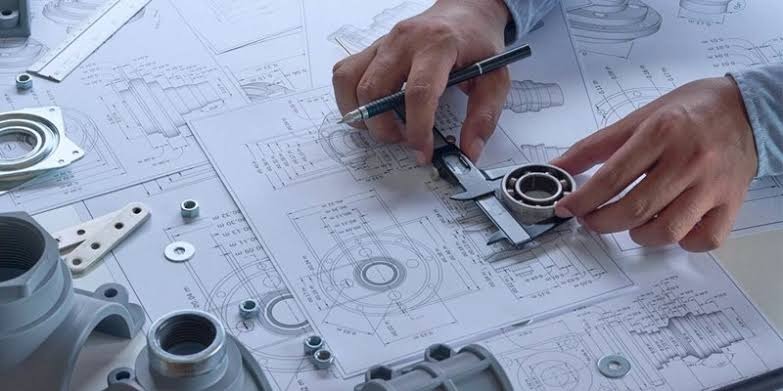
Engineering drawings are the foundation of every successful industrial and manufacturing project. Before a product is manufactured, a machine is assembled, or an industrial facility is constructed, detailed technical drawings provide the information needed to transform ideas into reality. These drawings communicate dimensions, materials, tolerances, assembly instructions, and manufacturing specifications, ensuring that every component is produced accurately and functions as intended. In today’s competitive industrial environment, precision is critical. Manufacturing companies cannot afford errors that lead to production delays, material waste, or equipment failure. Professional engineering drawings help eliminate uncertainty by providing clear, accurate, and standardized documentation that every engineer, fabricator, machinist, and technician can understand. Whether producing custom machinery, fabricated steel structures, piping systems, or mechanical components, engineering drawings ensure that every stage of production follows the approved design. One of the most significant advantages of engineering drawings is improved communication. Industrial projects often involve multiple departments, including design engineers, production teams, quality inspectors, procurement specialists, and installation contractors. Each team depends on accurate technical documentation to complete its responsibilities efficiently. Well-prepared drawings create a common language that minimizes misunderstandings and ensures everyone works according to the same specifications. Engineering drawings also improve manufacturing accuracy. Every component must be produced within precise dimensions and tolerances to ensure proper fit and performance. Even small measurement errors can affect the operation of an entire machine or production system. Professional CAD drafting allows engineers to create highly accurate drawings that reduce production mistakes and improve overall product quality. Accurate documentation also supports consistency when manufacturing multiple units of the same product. Another important benefit is better production planning. Before manufacturing begins, engineers use technical drawings to determine material requirements, fabrication methods, machining processes, and assembly procedures. This information allows manufacturers to estimate costs accurately, order the correct materials, and organize production schedules efficiently. Proper planning helps reduce unnecessary expenses while improving productivity across the entire manufacturing process. Engineering drawings play a vital role in quality control as well. During production, inspectors compare manufactured components against approved drawings to verify dimensions, tolerances, and technical specifications. This process ensures that products meet design requirements before they are delivered to customers or installed on-site. Consistent quality control reduces product defects, improves customer satisfaction, and strengthens a company’s reputation for reliability. Modern industrial projects frequently require collaboration between mechanical, electrical, structural, and piping engineers. Coordinating these disciplines can be challenging without detailed technical documentation. CAD-generated engineering drawings allow different engineering teams to work together efficiently by providing accurate layouts, equipment positioning, connection details, and installation requirements. This coordination helps prevent design conflicts and simplifies the installation process. Engineering drawings are also essential for equipment maintenance and future upgrades. Once machinery or industrial systems are installed, accurate documentation serves as a valuable reference for maintenance engineers and technicians. Technical drawings help identify component locations, understand system layouts, and perform repairs more efficiently. When facilities require expansion or modernization, existing engineering drawings make modifications easier while reducing downtime and unexpected complications. Safety is another important reason why engineering drawings are essential. Industrial facilities often contain complex machinery, electrical systems, pressure equipment, and structural components that must be installed correctly to operate safely. Detailed engineering drawings provide clear installation instructions and technical specifications that reduce the likelihood of assembly errors. Proper documentation contributes to safer workplaces while helping organizations comply with industry regulations and engineering standards. The use of Computer-Aided Design (CAD) has further improved the quality and efficiency of engineering drawings. Modern CAD software enables engineers to create precise 2D drawings and detailed 3D models with remarkable accuracy. Digital documentation simplifies revisions, improves collaboration, and ensures consistency across large industrial projects. Advanced CAD technology also allows engineers to visualize equipment before manufacturing begins, helping identify potential improvements early in the design process. At CADMATIX ENGINEERING WORKS L.L.C., we provide professional engineering drafting and CAD design services that support industrial and manufacturing projects across the UAE. Our expertise includes technical drawings, mechanical drafting, architectural documentation, product design, geographical mapping, and engineering visualization. We work closely with manufacturers, consultants, contractors, and industrial businesses to deliver precise documentation that improves efficiency, supports quality production, and ensures compliance with engineering standards. As industries continue to adopt advanced manufacturing technologies and automation, the demand for accurate engineering drawings continues to grow. Companies that invest in professional CAD drafting benefit from improved communication, better production planning, higher product quality, reduced manufacturing errors, and more efficient project execution. These advantages not only save time and money but also contribute to long-term operational success. Engineering drawings are much more than technical documents—they are the blueprint for innovation, productivity, and precision. Whether manufacturing industrial equipment, fabricating structural components, or developing complex engineering systems, reliable technical documentation provides the confidence needed to move from concept to completion. By partnering with experienced engineering professionals, businesses can ensure that every project is built on a foundation of accuracy, quality, and technical excellence.

How CAD Drafting Improves Accuracy and Reduces Construction Errors

The success of any construction or engineering project depends on one essential factor—accuracy. Before the first brick is laid or the first steel beam is installed, every detail must be carefully planned and documented. Even a small error in a technical drawing can lead to project delays, increased costs, material waste, and costly rework. This is why professional CAD drafting has become an indispensable part of the modern construction industry. Computer-Aided Design (CAD) has revolutionized the way engineers, architects, and construction professionals create technical drawings. Unlike traditional hand-drawn plans, CAD drafting delivers exceptional precision, allowing every dimension, angle, and structural detail to be accurately represented. These digital drawings serve as the foundation for successful construction projects by ensuring that all stakeholders work from the same reliable information. One of the primary advantages of CAD drafting is its ability to eliminate human error. Manual drafting often increases the risk of incorrect measurements, missing dimensions, and inconsistent documentation. Such mistakes may not be noticed until construction begins, resulting in expensive modifications and project delays. CAD software significantly reduces these risks by providing precise digital tools that maintain consistency across every drawing. As a result, contractors receive accurate documentation that helps them execute projects with confidence. Construction projects involve numerous professionals, including architects, structural engineers, MEP consultants, contractors, surveyors, and project managers. Each team depends on technical drawings to understand the project’s requirements and coordinate their work effectively. Professional CAD drawings provide a clear and standardized format that improves communication between all stakeholders. When everyone follows the same accurate documentation, misunderstandings are reduced, coordination becomes more efficient, and construction progresses smoothly. Accurate CAD drafting also plays a major role in reducing material waste. Incorrect measurements can result in ordering excessive materials or fabricating components that do not fit the design. These errors increase project costs while negatively affecting sustainability efforts. CAD drafting enables engineers to prepare highly accurate dimensions and material quantities, helping contractors order exactly what is required. This improves resource management while reducing unnecessary waste on construction sites. Another significant benefit of CAD drafting is the ability to make design revisions quickly and efficiently. Construction projects often experience changes due to client preferences, engineering improvements, or regulatory requirements. Revising traditional drawings can be time-consuming and may introduce inconsistencies between different documents. CAD software allows designers to update drawings digitally while automatically maintaining consistency throughout the project. This flexibility helps engineering teams respond quickly to changes without compromising drawing accuracy. Modern CAD drafting also improves coordination between different engineering disciplines. Structural systems, electrical installations, plumbing networks, HVAC systems, and architectural layouts must all work together within the same building. Professional CAD documentation allows these systems to be coordinated before construction begins, helping engineers identify potential conflicts early in the design process. Resolving issues during planning is significantly less expensive than correcting them once construction is underway. Project scheduling also benefits from accurate CAD documentation. Contractors rely on technical drawings to estimate labor requirements, construction sequences, and project timelines. Incomplete or inaccurate drawings can delay procurement, disrupt work schedules, and create unnecessary downtime on-site. High-quality CAD drafting ensures that contractors receive complete and reliable information, enabling them to organize construction activities more efficiently and keep projects on schedule. Safety is another important aspect supported by professional CAD drafting. Clear engineering drawings provide workers with detailed construction instructions, reducing confusion during installation and assembly. Proper documentation minimizes the likelihood of structural mistakes that could compromise building safety or create hazardous working conditions. Well-prepared drawings contribute to safer construction practices while supporting compliance with engineering standards and local building regulations. CAD drafting is equally valuable during project approvals. Government authorities, consultants, and regulatory agencies require detailed technical documentation before issuing permits or approving construction activities. Professionally prepared CAD drawings demonstrate compliance with building codes, engineering standards, and project specifications, helping streamline the approval process and reduce administrative delays. At CADMATIX ENGINEERING WORKS L.L.C., we believe that precision is the foundation of successful engineering. We provide professional CAD drafting, architectural drawings, engineering documentation, geographical mapping, product design, and building visualization services for developers, consultants, architects, manufacturers, and construction professionals across the UAE. Every drawing produced by our team reflects our commitment to quality, technical excellence, and industry compliance, ensuring our clients receive documentation they can trust. As construction projects continue to become more complex, the importance of accurate CAD drafting continues to grow. Professional technical drawings help reduce errors, improve collaboration, control project costs, minimize waste, and enhance overall construction quality. Investing in reliable CAD services is not simply about creating drawings—it is about building confidence, improving efficiency, and ensuring that every project begins with a strong technical foundation. Whether developing a residential property, commercial building, industrial facility, or infrastructure project, professional CAD drafting provides the precision needed for successful execution. By partnering with an experienced engineering company like CADMATIX ENGINEERING WORKS L.L.C., businesses can confidently move from concept to completion with accurate documentation that supports safe, efficient, and high-quality construction.

2D vs 3D CAD Drawings: Which One Is Right for Your Engineering Project?

Computer-Aided Design (CAD) has become an essential part of modern engineering, architecture, and construction. From designing residential buildings to developing complex industrial equipment, CAD technology enables professionals to create accurate technical drawings that improve planning, communication, and project execution. As digital design continues to evolve, businesses often face an important question: should they use 2D CAD drawings or 3D CAD models? While both play significant roles in engineering projects, understanding their differences can help project owners choose the most effective solution for their specific requirements. Two-dimensional (2D) CAD drawings have been the industry standard for many years. They represent objects using flat views such as floor plans, elevations, sections, and detailed engineering drawings. These drawings provide essential information including dimensions, materials, notes, symbols, and construction details that contractors and engineers use during project execution. Because they are straightforward, highly accurate, and universally accepted, 2D drawings remain a vital part of nearly every construction and manufacturing project. One of the greatest advantages of 2D CAD drawings is their simplicity. Contractors, fabricators, and engineers can quickly interpret technical information without requiring specialized software or advanced visualization tools. They are ideal for preparing construction documents, manufacturing drawings, permit submissions, shop drawings, and engineering documentation. Since 2D drawings contain all the measurements and technical specifications needed for production and construction, they continue to serve as the backbone of professional engineering documentation. Three-dimensional (3D) CAD models, on the other hand, provide a realistic representation of an object or building by adding depth, volume, and perspective. Instead of viewing a design from individual angles, stakeholders can visualize the complete project from virtually any direction. This enhanced visualization helps architects, engineers, developers, and clients better understand the final appearance and functionality of a design before construction or manufacturing begins. One major benefit of 3D CAD modeling is improved design visualization. Clients who may struggle to understand traditional technical drawings can easily interpret realistic digital models. This makes it easier to review layouts, evaluate design options, identify improvements, and make informed decisions early in the project. Better visualization often leads to faster approvals and fewer design revisions during later stages of development. Another advantage of 3D CAD is clash detection. Modern engineering projects involve multiple systems, including structural components, electrical installations, plumbing, mechanical equipment, and architectural elements. Three-dimensional models allow engineers to identify conflicts between these systems before construction begins. Detecting clashes early helps prevent expensive modifications on-site, reducing delays and improving overall project efficiency. Despite the growing popularity of 3D modeling, 2D CAD drawings remain essential because construction teams still rely on detailed technical documentation during execution. Contractors require precise dimensions, annotations, section details, schedules, and fabrication information that are typically presented in 2D formats. Even projects developed entirely in 3D eventually generate 2D construction drawings for practical implementation. Cost is another factor to consider when selecting between 2D and 3D CAD services. Preparing detailed 2D drawings generally requires less time and fewer resources, making them a cost-effective solution for straightforward projects. Three-dimensional modeling involves additional design effort, rendering, coordination, and analysis, which can increase project costs. However, the additional investment often pays for itself by reducing construction errors, improving coordination, and minimizing costly design changes during execution. Project complexity also influences the choice between 2D and 3D CAD. Small residential renovations or simple fabrication projects may only require accurate 2D documentation. In contrast, large commercial developments, industrial facilities, hospitals, airports, and infrastructure projects often benefit significantly from comprehensive 3D modeling due to the number of disciplines involved and the need for advanced coordination. Many successful engineering companies now combine both approaches to maximize project efficiency. Designers first develop detailed 3D models to visualize the project, coordinate building systems, and identify potential conflicts. They then generate highly accurate 2D drawings directly from the digital model for construction, fabrication, and regulatory approvals. This integrated workflow provides the best of both technologies while ensuring consistency across all project documentation. At CADMATIX ENGINEERING WORKS L.L.C., we provide both professional 2D CAD drafting and advanced 3D design solutions tailored to the specific needs of our clients. Our experienced engineering team works closely with architects, consultants, developers, contractors, and manufacturers to produce accurate technical drawings, architectural documentation, engineering designs, product models, and visualization services that support efficient project delivery. Every project is completed with precision, attention to detail, and compliance with industry standards. Choosing between 2D and 3D CAD is not about determining which technology is better—it is about selecting the right solution for your project’s objectives. In many cases, the most successful projects utilize both methods together, combining the clarity of technical drawings with the visualization capabilities of three-dimensional models. This balanced approach improves communication, enhances design accuracy, reduces project risks, and supports successful construction outcomes. As engineering and construction continue to embrace digital transformation, CAD technology will remain one of the industry’s most valuable tools. Whether your project requires detailed drafting, realistic visualization, or complete engineering documentation, professional CAD services provide the foundation for efficient planning and reliable execution. By partnering with experienced professionals, businesses can ensure that every design is accurate, practical, and ready for successful implementation.

The Role of CAD in Sustainable and Energy-Efficient Building Design

As the construction industry continues to evolve, sustainability has become one of the most important priorities for architects, engineers, developers, and governments worldwide. Modern buildings are no longer designed solely for appearance and functionality—they are also expected to reduce energy consumption, minimize environmental impact, and provide healthier spaces for occupants. Achieving these goals requires careful planning, accurate engineering, and advanced design technology. One of the most powerful tools supporting sustainable construction today is Computer-Aided Design (CAD). CAD technology has transformed the way buildings are planned, designed, and developed. It enables architects and engineers to create highly accurate technical drawings while analyzing building performance before construction even begins. This allows project teams to identify opportunities for improving energy efficiency, reducing waste, and optimizing building layouts. By making informed decisions during the design phase, developers can create buildings that perform better throughout their entire lifecycle. One of the biggest advantages of CAD in sustainable building design is its ability to improve planning accuracy. Every building element, from structural components to mechanical systems, can be carefully designed with precise dimensions and specifications. Accurate planning minimizes construction errors, which reduces material waste and prevents costly modifications during the construction phase. Fewer mistakes mean fewer resources are consumed, contributing to a more environmentally responsible building process. Energy efficiency begins with intelligent building design, and CAD software helps engineers optimize every aspect of a project. Building orientation, window placement, ventilation systems, insulation, and natural lighting can all be evaluated during the design stage. Proper placement of windows, for example, allows more natural daylight to enter the building, reducing dependence on artificial lighting during daytime hours. Similarly, effective ventilation planning improves indoor air quality while lowering cooling requirements, particularly in regions with hot climates such as the UAE. Another important contribution of CAD technology is its ability to support collaboration among multiple engineering disciplines. Sustainable buildings require close coordination between architects, structural engineers, electrical engineers, mechanical engineers, plumbing consultants, and environmental specialists. Professional CAD drawings provide a common platform where all stakeholders can review designs, identify conflicts, and coordinate building systems before construction starts. This integrated approach improves efficiency while reducing unnecessary delays and design changes. Material optimization is another area where CAD delivers significant environmental benefits. Construction projects generate considerable amounts of waste when materials are incorrectly estimated or poorly planned. CAD drafting enables engineers to calculate accurate quantities of construction materials, reducing over-ordering and minimizing excess waste. Efficient material usage not only lowers project costs but also supports sustainable construction practices by conserving natural resources. Modern CAD software also supports advanced visualization techniques that help clients better understand building designs before construction begins. Three-dimensional models and realistic architectural renderings provide a clear representation of the finished project, making it easier to evaluate design alternatives and identify improvements early in the planning process. Early visualization reduces the likelihood of expensive revisions later, saving both time and valuable resources. Governments and regulatory authorities are increasingly introducing stricter environmental standards for new developments. Professional CAD documentation helps ensure that building designs comply with local regulations, energy codes, and sustainability requirements. Accurate engineering drawings simplify approval processes while providing contractors with detailed information needed to construct buildings according to approved environmental standards. At CADMATIX ENGINEERING WORKS L.L.C., we recognize that sustainable design begins with precise engineering and reliable technical documentation. Our team provides professional CAD drafting, architectural drawings, engineering documentation, geographical mapping, and building visualization services that help clients develop efficient, practical, and environmentally responsible projects. Every drawing we prepare is created with precision, attention to detail, and compliance with industry standards, ensuring that our clients receive dependable engineering solutions for projects of every scale. As the demand for sustainable construction continues to grow, CAD technology will remain an essential part of modern engineering and architectural design. Accurate technical drawings improve planning, reduce waste, support energy-efficient solutions, and strengthen collaboration across every stage of a project. By investing in professional CAD services, developers and construction professionals can create buildings that are not only functional and visually appealing but also environmentally responsible and built for long-term performance. The future of construction depends on smarter planning and better engineering. CAD provides the foundation for that future by enabling professionals to design buildings that balance innovation, efficiency, and sustainability. Whether developing residential communities, commercial complexes, or industrial facilities, professional CAD services help transform ambitious ideas into successful projects that benefit clients, communities, and the environment alike.

Why Professional CAD Services Are the Foundation of Successful Engineering Projects

In today’s fast-moving construction and engineering industry, accuracy is more important than ever. Every successful project begins with a well-planned design, detailed technical drawings, and precise documentation. Whether it is a residential building, commercial development, industrial facility, or infrastructure project, the quality of the initial design directly influences the success of the entire construction process. This is where professional CAD services play a vital role. Computer-Aided Design (CAD) has transformed the way architects, engineers, designers, and contractors plan and execute projects. Modern CAD technology enables professionals to create highly accurate technical drawings, reduce design errors, improve collaboration, and streamline project execution. As projects become more complex, businesses require dependable engineering partners who can deliver precise drawings while meeting industry standards and project deadlines. At CADMATIX ENGINEERING WORKS L.L.C., we understand that every line, dimension, and detail within a drawing has a purpose. Our team provides professional CAD drafting, architectural drawings, engineering documentation, geographical mapping, product design, and building visualization services that help clients transform concepts into practical, buildable solutions. One of the greatest advantages of professional CAD services is accuracy. Manual drafting methods often leave room for inconsistencies and human error, while digital CAD software provides exceptional precision that ensures every measurement and specification is correct. This level of accuracy minimizes costly mistakes during construction, reduces material waste, and prevents delays that may occur due to design revisions. Accurate technical drawings also help contractors, consultants, and project managers coordinate efficiently throughout every stage of development. Another important benefit is improved communication between project stakeholders. Construction projects typically involve architects, structural engineers, MEP consultants, contractors, developers, and government authorities. Clear and detailed CAD drawings allow every team member to understand the design requirements without confusion. This improves collaboration, speeds up approvals, and helps maintain consistency throughout the project lifecycle. Professional CAD drafting also increases productivity. Instead of spending countless hours revising manual drawings, digital files can be updated quickly whenever project requirements change. Design modifications become easier, allowing teams to respond efficiently to client requests, engineering updates, or regulatory requirements. This flexibility helps projects remain on schedule while maintaining high-quality standards. Architectural drawings are among the most important deliverables during any building project. These drawings communicate the complete design intent, including floor plans, elevations, sections, construction details, and layout information. Well-prepared architectural drawings provide builders with the information they need to execute construction accurately while ensuring compliance with local building regulations and engineering standards. High-quality drafting reduces misunderstandings on-site and contributes to smoother project execution. Engineering projects today also require sustainable and energy-efficient design solutions. As governments and developers place greater emphasis on environmental responsibility, engineering firms are increasingly adopting smarter design strategies that reduce energy consumption and improve long-term building performance. Integrating energy-efficient planning during the design phase helps optimize natural lighting, ventilation, insulation, and overall building efficiency. Professional CAD services support these objectives by providing detailed design documentation that enables informed decision-making throughout the project. In addition to architectural drafting, geographical mapping has become an essential component of modern engineering. Accurate mapping data assists developers, surveyors, planners, and infrastructure professionals in evaluating site conditions before construction begins. Geographic information supports better planning, reduces unforeseen challenges, and improves overall project accuracy. Reliable mapping services contribute to safer developments while helping organizations make well-informed engineering decisions. Product design is another area where CAD technology continues to deliver exceptional value. Manufacturers and industrial companies depend on precise 2D drawings and 3D models to develop products that meet functional, aesthetic, and manufacturing requirements. CAD software enables engineers to visualize components, evaluate performance, identify potential improvements, and prepare production-ready documentation before manufacturing begins. This reduces development costs while improving product quality and production efficiency. Visualization services further enhance project communication by transforming technical drawings into realistic architectural presentations. High-quality visualizations allow clients, investors, and stakeholders to better understand the final appearance of a project before construction starts. This improves design confidence, supports marketing efforts, and simplifies client approvals by providing a clear representation of the proposed development. Choosing the right engineering partner is just as important as selecting the right technology. An experienced CAD service provider not only produces drawings but also understands construction methodologies, engineering principles, industry regulations, and project coordination requirements. Working with professionals ensures that every drawing contributes to efficient project execution while minimizing costly revisions and construction risks. At CADMATIX ENGINEERING WORKS L.L.C., we are committed to delivering engineering and design solutions built on precision, technical excellence, and professional integrity. We work closely with architects, consultants, developers, contractors, manufacturers, and engineering professionals to produce reliable CAD documentation that supports successful projects from concept through completion. Every drawing we prepare reflects our dedication to quality, accuracy, and compliance with industry standards. As engineering and construction continue to evolve, the demand for reliable CAD services will only continue to grow. Organizations that invest in professional drafting and design benefit from improved efficiency, stronger collaboration, reduced project risks, and better construction outcomes. Whether developing a new commercial building, planning residential communities, designing industrial products, or preparing technical documentation, accurate CAD services provide the strong foundation every successful project requires. By combining modern technology with engineering expertise, CADMATIX ENGINEERING WORKS L.L.C. remains dedicated to helping clients achieve reliable, efficient, and high-quality project delivery. Our mission is to provide technical solutions that simplify complex engineering challenges while supporting innovation, sustainability, and long-term project success across the UAE and beyond.

How Engineering and Design Services Contribute to Smarter Construction Projects

The construction industry is constantly evolving as new technologies, innovative materials, and modern building methods reshape the way projects are planned and executed. In this environment, engineering and design services have become more important than ever. Every successful construction project depends on accurate planning, technical expertise, and detailed documentation that guides the project from the initial concept stage to final completion. Engineering and design services provide the foundation for smarter construction projects by helping developers, architects, consultants, and contractors make informed decisions while reducing risks and improving efficiency. A construction project involves far more than simply building a structure. Before any work begins on-site, extensive planning is required to ensure that the project meets functional, technical, financial, and regulatory requirements. Engineering and design professionals analyze project objectives, site conditions, construction methods, and operational needs to develop practical solutions that support long-term success. Their expertise helps create buildings and infrastructure that are safe, efficient, and sustainable. One of the most important contributions of engineering and design services is improving project accuracy. Construction projects rely on detailed technical drawings and specifications that communicate critical information to everyone involved. Inaccurate documentation can lead to costly mistakes, delays, and project disruptions. Professional engineering teams use advanced software and industry-standard practices to produce highly accurate drawings that reduce uncertainty and support smooth project execution. Accurate planning at the beginning of a project often prevents significant problems later in the construction process. Another key advantage is improved decision-making. During the planning phase, project stakeholders must evaluate numerous options related to design, materials, systems, and construction methods. Engineering and design services provide the technical analysis necessary to compare alternatives and identify the most effective solutions. This helps project owners make informed choices that balance performance, cost, and long-term value. Efficiency has become a major priority across the construction industry. Project schedules are often tight, and delays can result in significant financial consequences. Engineering and design services help streamline construction activities by providing detailed plans that clearly define project requirements. Contractors can use this information to organize resources, coordinate tasks, and anticipate challenges before they arise. Better planning leads to smoother workflows and improved productivity throughout the project lifecycle. Modern engineering and design services also play an essential role in risk management. Every construction project faces potential risks, including design conflicts, budget overruns, regulatory issues, and technical challenges. By identifying potential problems during the design stage, engineering professionals help project teams implement solutions before construction begins. This proactive approach minimizes disruptions, reduces unexpected costs, and improves overall project reliability. Technology has significantly enhanced the capabilities of engineering and design professionals. Computer-Aided Design (CAD) systems enable the creation of highly detailed technical drawings with exceptional precision. Digital design tools allow engineers and architects to visualize projects, test concepts, and make modifications quickly and efficiently. These technologies improve collaboration among stakeholders while ensuring that project information remains accurate and up to date throughout the development process. Sustainability is another area where engineering and design services provide tremendous value. Modern construction projects increasingly focus on energy efficiency, environmental responsibility, and long-term performance. Engineering professionals can integrate sustainable design principles into projects by optimizing layouts, improving building performance, and recommending efficient systems and materials. These efforts help reduce environmental impact while delivering operational savings for property owners and occupants. Engineering and design services extend across a wide range of sectors, including residential construction, commercial developments, industrial facilities, infrastructure projects, and urban planning initiatives. Each project has unique requirements, and professional engineering support ensures that designs are tailored to specific objectives and operational needs. This flexibility allows project teams to develop solutions that maximize functionality while maintaining quality and compliance standards. In the United Arab Emirates, ongoing growth in real estate, infrastructure, and commercial development has increased the demand for professional engineering and design expertise. Developers and construction companies require reliable technical partners capable of delivering accurate drawings, innovative solutions, and comprehensive project support. Companies such as CADMATIX Engineering Works L.L.C help meet these demands by providing CAD services, architectural drawings, engineering design solutions, and technical consulting that contribute to successful project outcomes. As construction projects continue to become more sophisticated, the importance of engineering and design services will only increase. Smart construction begins with smart planning, and professional engineering expertise provides the technical foundation needed to achieve efficiency, accuracy, sustainability, and long-term success. By investing in quality engineering and design services, organizations can reduce risks, improve project performance, and create structures that deliver lasting value for years to come.

The Importance of Architectural Drawings in Successful Building Projects

Every successful building project begins with a clear vision, but turning that vision into reality requires detailed planning and precise documentation. Architectural drawings are among the most important elements of the construction process because they provide the technical roadmap that guides a project from concept to completion. Whether constructing a residential villa, commercial office, industrial facility, or large-scale development, architectural drawings help ensure that every aspect of the project is accurately planned, communicated, and executed. Architectural drawings are much more than simple sketches. They contain detailed information about building layouts, dimensions, elevations, sections, materials, and structural elements. These drawings serve as the primary communication tool between architects, engineers, consultants, contractors, and project owners. Without accurate architectural documentation, misunderstandings can occur, leading to costly delays, design conflicts, and construction errors that may affect the overall success of a project. One of the most significant benefits of architectural drawings is their ability to transform ideas into practical construction plans. Clients often begin with a vision of what they want their project to achieve, but that vision must be translated into detailed technical information before construction can begin. Architectural drawings provide this bridge between imagination and reality by clearly illustrating how a building will look, function, and fit within its intended environment. Proper planning is essential in modern construction, and architectural drawings play a critical role in this process. Before any construction activity begins, project teams need to understand the building’s design, dimensions, and technical requirements. Detailed drawings allow stakeholders to review plans, identify potential issues, and make necessary adjustments during the design phase rather than during construction. This proactive approach helps save time, reduce costs, and improve overall project efficiency. Architectural drawings also improve communication among project stakeholders. Construction projects typically involve multiple professionals working together, including architects, engineers, contractors, suppliers, and consultants. Each participant requires accurate information to perform their responsibilities effectively. Architectural drawings provide a common reference that ensures everyone is working from the same set of specifications. This reduces confusion and promotes better collaboration throughout the project lifecycle. Cost management is another area where architectural drawings provide significant value. Construction projects operate within defined budgets, and unexpected changes can quickly increase expenses. Detailed architectural plans help project teams estimate material quantities, labor requirements, and construction costs more accurately. By identifying potential design challenges early, project owners can avoid expensive modifications and maintain better control over project finances. Compliance with local regulations and industry standards is a critical requirement for any building project. Architectural drawings are often required as part of the approval process before construction can begin. These documents demonstrate that the proposed design meets building codes, safety standards, and regulatory requirements. Professional architectural drawings help streamline approval procedures and reduce the risk of compliance-related delays. As technology continues to advance, architectural drawing services have become more sophisticated and efficient. Computer-Aided Design (CAD) software enables architects and designers to create highly detailed digital drawings with exceptional accuracy. Modern CAD technology allows for faster revisions, improved coordination, and better visualization of project concepts. These capabilities help clients and stakeholders understand designs more clearly before construction begins. Architectural drawings are also essential for sustainable and energy-efficient building development. Modern projects increasingly focus on reducing energy consumption, improving environmental performance, and creating healthier indoor spaces. Through careful planning and detailed design documentation, architects can incorporate sustainable features such as efficient layouts, natural lighting strategies, and environmentally responsible building materials. These considerations contribute to long-term operational savings and improved building performance. In rapidly developing markets such as the United Arab Emirates, the demand for professional architectural drawing services continues to grow. Large-scale infrastructure projects, residential communities, commercial developments, and industrial facilities all require accurate technical documentation to support successful execution. Companies such as CADMATIX Engineering Works L.L.C provide professional architectural drawing services that help developers, architects, consultants, and contractors achieve their project goals with confidence and precision. The success of any construction project depends on strong planning, clear communication, and accurate technical documentation. Architectural drawings provide the foundation for all three. They help transform ideas into reality, improve coordination among stakeholders, support regulatory compliance, and contribute to efficient project execution. As construction projects become more complex and demanding, the importance of high-quality architectural drawings will continue to grow, making them one of the most valuable tools in modern building development.

Why Energy-Efficient Building Design Is Shaping the Future of Construction

The construction industry is experiencing a significant transformation as sustainability and energy efficiency become central priorities for developers, architects, engineers, and property owners. Modern buildings are no longer designed solely for appearance and functionality; they are also expected to reduce energy consumption, lower operating costs, and minimize environmental impact. As governments and organizations worldwide focus on sustainable development, energy-efficient building design has emerged as one of the most important trends shaping the future of construction. Energy-efficient building design involves creating structures that use energy more effectively while maintaining comfort, safety, and performance. This approach considers various factors including building orientation, insulation, ventilation, lighting systems, construction materials, and overall architectural design. By carefully integrating these elements during the planning stage, engineers and designers can create buildings that consume less energy throughout their lifecycle. One of the primary reasons for the growing popularity of energy-efficient buildings is the increasing cost of energy. Commercial and residential property owners are constantly seeking ways to reduce utility expenses without compromising the quality of their buildings. Energy-efficient designs help lower electricity and cooling costs by optimizing the building’s performance. In regions such as the United Arab Emirates, where air conditioning represents a significant portion of energy consumption, efficient building design can generate substantial long-term savings. Environmental responsibility is another major factor driving the demand for sustainable construction solutions. Traditional buildings often consume large amounts of energy and contribute significantly to greenhouse gas emissions. Energy-efficient buildings reduce their environmental footprint by minimizing energy waste and utilizing resources more responsibly. As environmental regulations continue to evolve, organizations are increasingly investing in sustainable building practices to meet compliance requirements and demonstrate corporate responsibility. Proper building orientation is one of the most effective strategies in energy-efficient design. The positioning of a building can significantly impact natural lighting, heat gain, and cooling requirements. By carefully analyzing site conditions and environmental factors, designers can maximize natural daylight while minimizing excessive heat exposure. This reduces dependence on artificial lighting and cooling systems, resulting in improved energy performance. Insulation and thermal performance also play a critical role in energy efficiency. High-quality insulation materials help maintain indoor temperatures by reducing heat transfer between the interior and exterior of a building. This allows heating and cooling systems to operate more efficiently while providing greater comfort for occupants. Modern construction techniques and advanced materials have made it possible to achieve excellent thermal performance without sacrificing design flexibility. Lighting systems represent another area where energy-efficient design can have a significant impact. Traditional lighting solutions often consume unnecessary amounts of electricity, especially in large commercial buildings. Modern energy-efficient lighting technologies, including LED systems and smart controls, reduce energy consumption while providing superior illumination. Integrating these solutions into building designs helps improve operational efficiency and reduce maintenance costs. Ventilation and indoor air quality are equally important considerations. Well-designed ventilation systems improve occupant comfort while reducing the energy required for heating and cooling. Natural ventilation strategies can be incorporated into building designs to enhance airflow and reduce dependence on mechanical systems. These approaches contribute to healthier indoor environments while supporting overall energy efficiency objectives. Technology continues to play an increasingly important role in sustainable building design. Advanced engineering software and Computer-Aided Design (CAD) tools allow professionals to analyze building performance before construction begins. These technologies enable engineers to evaluate energy consumption patterns, optimize layouts, and identify opportunities for improvement. By using data-driven design methods, project teams can develop more efficient and cost-effective solutions. Energy-efficient buildings also provide long-term financial benefits beyond reduced utility costs. Properties designed with sustainability in mind often experience higher market values, improved tenant satisfaction, and lower maintenance expenses. Investors and property owners increasingly recognize that energy efficiency is not simply an environmental consideration but also a strategic business decision that contributes to long-term profitability. In the UAE’s rapidly developing construction sector, the demand for energy-efficient building solutions continues to grow. Developers, consultants, and construction professionals are increasingly seeking engineering partners capable of integrating sustainability into modern projects. Companies such as CADMATIX Engineering Works L.L.C support this transition by providing professional engineering services, architectural drawings, and energy-efficient design solutions that help clients achieve both performance and sustainability goals. As the construction industry moves toward a more sustainable future, energy-efficient building design will remain a key driver of innovation and development. Buildings that prioritize efficiency, environmental responsibility, and long-term performance will continue to deliver value for owners, occupants, and communities alike. Through thoughtful planning, advanced technology, and professional engineering expertise, energy-efficient design is helping create a smarter and more sustainable built environment for future generations.

How Professional CAD Services Improve Accuracy and Efficiency in Construction Projects

In today’s fast-moving construction and engineering industry, accuracy and efficiency are critical factors that determine the success of a project. Whether developing a residential building, commercial property, industrial facility, or large-scale infrastructure project, every stage requires careful planning and precise technical documentation. Professional CAD services have become an essential part of modern project development, helping architects, engineers, consultants, and contractors create accurate drawings that support smooth project execution. As projects become more complex and deadlines become tighter, the importance of high-quality CAD services continues to grow. Computer-Aided Design, commonly known as CAD, has transformed the way engineering and construction professionals create technical drawings. Traditional hand-drawn drafting methods often required significant time and effort while increasing the possibility of human error. Modern CAD technology enables professionals to create highly detailed and accurate drawings digitally, allowing for better visualization, easier modifications, and improved project coordination. These capabilities make CAD an indispensable tool in the construction and engineering sectors. One of the greatest advantages of professional CAD services is improved accuracy. Construction projects rely on precise measurements, dimensions, and technical specifications. Even a small error in a drawing can result in costly mistakes during construction, causing delays and increasing project expenses. Professional CAD specialists use advanced software and industry best practices to ensure that drawings are accurate and aligned with project requirements. This level of precision helps minimize risks and provides contractors with reliable information for implementation. Accurate CAD drawings also contribute to better project planning. Before construction begins, developers and project managers must understand the scope of work, resource requirements, and potential challenges. Detailed CAD documentation provides a clear representation of the project, making it easier to evaluate design options, identify conflicts, and make informed decisions. Early identification of issues allows project teams to implement solutions before construction starts, reducing the likelihood of costly changes later in the process. Efficiency is another major benefit of professional CAD services. Construction projects often operate under strict schedules, and delays can have significant financial consequences. CAD technology enables designers and engineers to create, edit, and update drawings quickly while maintaining consistency throughout the project. When modifications are required, digital drawings can be adjusted efficiently without recreating entire plans from scratch. This flexibility saves valuable time and helps projects remain on schedule. Professional CAD services also improve collaboration among project stakeholders. Construction projects involve architects, engineers, consultants, contractors, suppliers, and clients, all of whom require access to accurate project information. CAD drawings provide a common visual language that helps all parties understand project requirements and objectives. Improved communication reduces misunderstandings, minimizes conflicts, and supports better coordination between different teams involved in the project. Another important advantage is cost control. Budget management is a priority for every construction project, and unexpected design issues can significantly increase expenses. Professional CAD services help reduce costs by minimizing errors, preventing material waste, and improving planning accuracy. Detailed drawings enable more accurate quantity calculations, helping project teams estimate materials and resources more effectively. This contributes to better budgeting and financial management throughout the project lifecycle. The role of CAD services extends beyond basic drafting. Modern CAD technology supports architectural design, structural planning, mechanical systems, electrical layouts, plumbing systems, product development, and infrastructure projects. It also plays a significant role in creating architectural visualizations that help clients and stakeholders better understand project concepts before construction begins. These visual representations improve decision-making and enhance confidence in project outcomes. As sustainability becomes increasingly important in the construction industry, CAD services are helping organizations develop more energy-efficient and environmentally responsible projects. Designers can use CAD tools to optimize building layouts, improve energy performance, and incorporate sustainable features into project designs. These efforts support green building initiatives while helping property owners reduce operational costs over the long term. In the UAE’s rapidly growing construction sector, the demand for professional CAD services continues to increase. Developers and engineering firms require reliable technical support to manage increasingly sophisticated projects while maintaining quality standards and meeting regulatory requirements. Companies such as CADMATIX Engineering Works L.L.C provide professional CAD solutions that help clients achieve greater accuracy, efficiency, and project success. Through advanced technology, technical expertise, and a commitment to excellence, professional CAD services continue to play a vital role in shaping the future of construction and engineering development. As construction projects become more ambitious and technologically advanced, the value of accurate and efficient CAD services will only continue to grow. Organizations that invest in professional CAD support gain a competitive advantage through better planning, reduced risks, improved collaboration, and higher-quality project outcomes. In an industry where precision matters at every stage, CAD services remain one of the most important tools for achieving successful project delivery.