The construction and engineering industries have experienced significant technological advancements over the past decade, and one of the most impactful innovations is 3D modeling. Unlike traditional 2D drawings, 3D modeling provides a realistic representation of buildings, structures, and products before they are built. This technology has transformed the way architects, engineers, developers, and contractors plan, visualize, and execute projects, leading to improved accuracy and better decision-making. 3D modeling allows project stakeholders to view a design from multiple angles and perspectives. Instead of relying solely on flat drawings, clients and project teams can explore a virtual representation of the final structure. This enhanced visualization makes it easier to understand design concepts, identify potential issues, and make informed decisions before construction begins. One of the biggest advantages of 3D modeling is improved design accuracy. Traditional drawings can sometimes leave room for interpretation, especially in complex projects involving multiple systems and disciplines. A detailed 3D model provides a more comprehensive understanding of how different components interact with one another. This helps architects and engineers detect design conflicts early, reducing the likelihood of costly errors during construction. Project coordination is another area where 3D modeling provides tremendous value. Modern construction projects involve collaboration between architects, structural engineers, MEP consultants, contractors, and project managers. A centralized 3D model allows all stakeholders to review and coordinate project details more effectively. By identifying clashes between systems before construction starts, teams can resolve issues early and avoid expensive rework. The use of 3D modeling also improves client communication. Many clients find it difficult to visualize a project using technical drawings alone. Realistic 3D visualizations make it easier for clients to understand layouts, materials, finishes, and overall design concepts. This improved understanding leads to faster approvals, fewer revisions, and greater confidence in project decisions. Cost savings are another important benefit of 3D modeling. Identifying design conflicts and construction challenges during the planning stage is significantly less expensive than correcting issues after construction has begun. Detailed models help project teams optimize material usage, improve construction sequencing, and reduce waste. These efficiencies contribute to better budget control and overall project profitability. The integration of 3D modeling with Building Information Modeling (BIM) has further expanded its capabilities. BIM combines graphical representations with detailed project information, creating intelligent digital models that support planning, design, construction, and facility management. This technology enables stakeholders to access valuable data about building components, materials, and performance throughout the entire project lifecycle. 3D modeling is also playing a key role in sustainable construction. Designers can analyze factors such as daylight exposure, energy efficiency, airflow, and building performance before construction begins. These insights help create more sustainable buildings while reducing long-term operating costs for property owners. As the UAE continues to invest in large-scale developments, smart cities, and advanced infrastructure projects, the demand for 3D modeling services continues to grow. Developers and construction professionals increasingly recognize the value of digital design technologies in improving project outcomes and maintaining a competitive advantage in the market. At CADMATIX ENGINEERING WORKS L.L.C, we provide professional 3D modeling solutions that help clients visualize projects with confidence and precision. Our team combines technical expertise with advanced design tools to create detailed models that support planning, coordination, and successful project delivery. We are committed to helping clients reduce risks, improve efficiency, and achieve exceptional results through innovative engineering and design solutions. The future of construction is becoming increasingly digital, and 3D modeling is at the center of this transformation. By enhancing visualization, improving design accuracy, and supporting better collaboration, 3D modeling helps organizations make smarter decisions and deliver projects more efficiently. For businesses seeking to improve project quality and reduce construction risks, investing in professional 3D modeling services is a strategic step toward long-term success.
The construction and engineering industries have experienced significant technological advancements over the past decade, and one of the most impactful innovations is 3D modeling. Unlike traditional 2D drawings, 3D modeling provides a realistic representation of buildings, structures, and products before they are built. This technology has transformed the way architects, engineers, developers, and contractors plan, visualize, and execute projects, leading to improved accuracy and better decision-making.
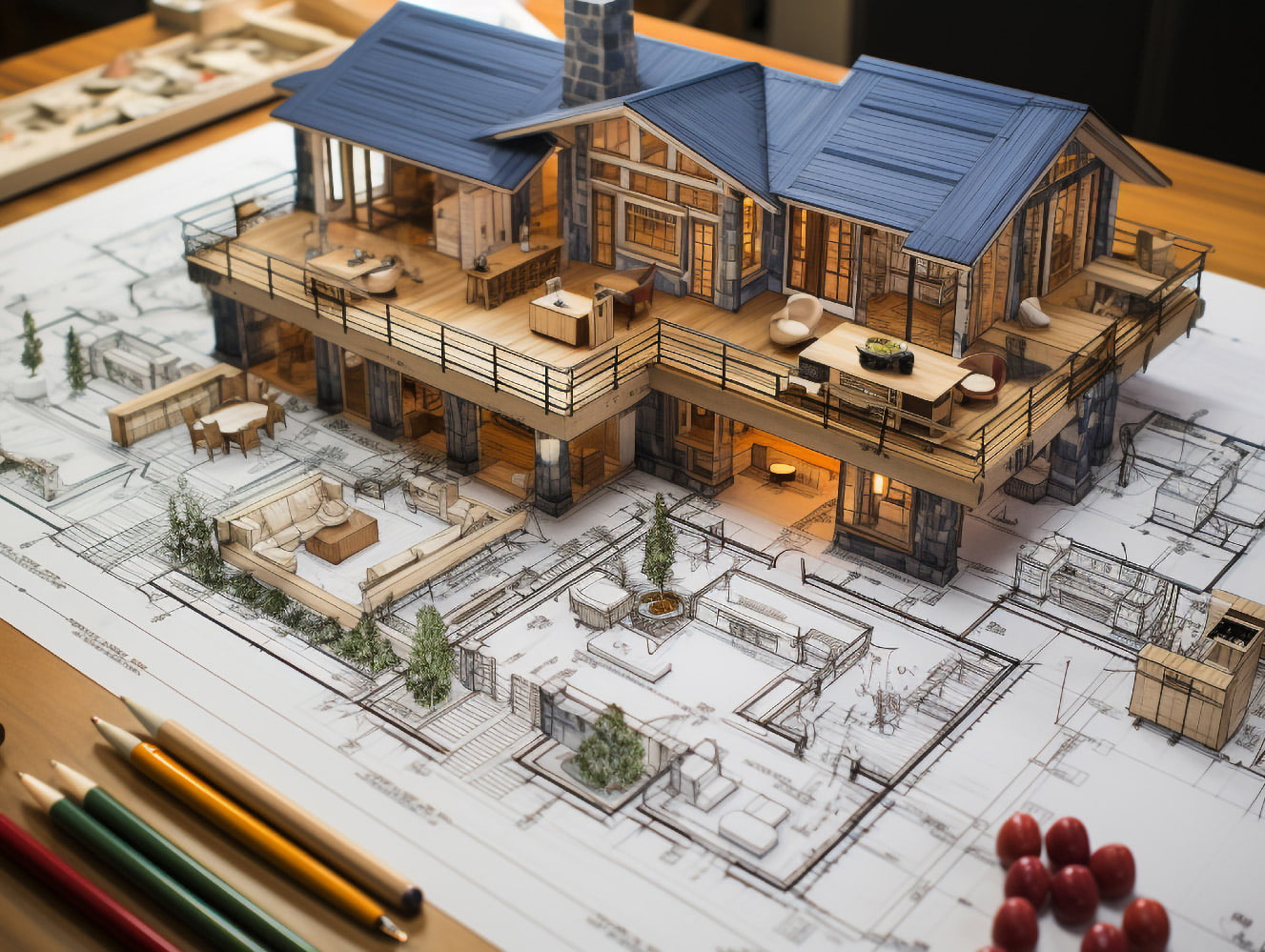
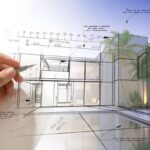
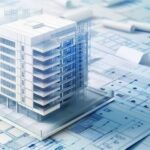
3D modeling allows project stakeholders to view a design from multiple angles and perspectives. Instead of relying solely on flat drawings, clients and project teams can explore a virtual representation of the final structure. This enhanced visualization makes it easier to understand design concepts, identify potential issues, and make informed decisions before construction begins.
One of the biggest advantages of 3D modeling is improved design accuracy. Traditional drawings can sometimes leave room for interpretation, especially in complex projects involving multiple systems and disciplines. A detailed 3D model provides a more comprehensive understanding of how different components interact with one another. This helps architects and engineers detect design conflicts early, reducing the likelihood of costly errors during construction.
Project coordination is another area where 3D modeling provides tremendous value. Modern construction projects involve collaboration between architects, structural engineers, MEP consultants, contractors, and project managers. A centralized 3D model allows all stakeholders to review and coordinate project details more effectively. By identifying clashes between systems before construction starts, teams can resolve issues early and avoid expensive rework.
The use of 3D modeling also improves client communication. Many clients find it difficult to visualize a project using technical drawings alone. Realistic 3D visualizations make it easier for clients to understand layouts, materials, finishes, and overall design concepts. This improved understanding leads to faster approvals, fewer revisions, and greater confidence in project decisions.
Cost savings are another important benefit of 3D modeling. Identifying design conflicts and construction challenges during the planning stage is significantly less expensive than correcting issues after construction has begun. Detailed models help project teams optimize material usage, improve construction sequencing, and reduce waste. These efficiencies contribute to better budget control and overall project profitability.
The integration of 3D modeling with Building Information Modeling (BIM) has further expanded its capabilities. BIM combines graphical representations with detailed project information, creating intelligent digital models that support planning, design, construction, and facility management. This technology enables stakeholders to access valuable data about building components, materials, and performance throughout the entire project lifecycle.
3D modeling is also playing a key role in sustainable construction. Designers can analyze factors such as daylight exposure, energy efficiency, airflow, and building performance before construction begins. These insights help create more sustainable buildings while reducing long-term operating costs for property owners.
As the UAE continues to invest in large-scale developments, smart cities, and advanced infrastructure projects, the demand for 3D modeling services continues to grow. Developers and construction professionals increasingly recognize the value of digital design technologies in improving project outcomes and maintaining a competitive advantage in the market.
At CADMATIX ENGINEERING WORKS L.L.C, we provide professional 3D modeling solutions that help clients visualize projects with confidence and precision. Our team combines technical expertise with advanced design tools to create detailed models that support planning, coordination, and successful project delivery. We are committed to helping clients reduce risks, improve efficiency, and achieve exceptional results through innovative engineering and design solutions.
The future of construction is becoming increasingly digital, and 3D modeling is at the center of this transformation. By enhancing visualization, improving design accuracy, and supporting better collaboration, 3D modeling helps organizations make smarter decisions and deliver projects more efficiently. For businesses seeking to improve project quality and reduce construction risks, investing in professional 3D modeling services is a strategic step toward long-term success.