Engineering drawings are the foundation of every successful industrial and manufacturing project. Before a product is manufactured, a machine is assembled, or an industrial facility is constructed, detailed technical drawings provide the information needed to transform ideas into reality. These drawings communicate dimensions, materials, tolerances, assembly instructions, and manufacturing specifications, ensuring that every component is produced accurately and functions as intended. In today’s competitive industrial environment, precision is critical. Manufacturing companies cannot afford errors that lead to production delays, material waste, or equipment failure. Professional engineering drawings help eliminate uncertainty by providing clear, accurate, and standardized documentation that every engineer, fabricator, machinist, and technician can understand. Whether producing custom machinery, fabricated steel structures, piping systems, or mechanical components, engineering drawings ensure that every stage of production follows the approved design. One of the most significant advantages of engineering drawings is improved communication. Industrial projects often involve multiple departments, including design engineers, production teams, quality inspectors, procurement specialists, and installation contractors. Each team depends on accurate technical documentation to complete its responsibilities efficiently. Well-prepared drawings create a common language that minimizes misunderstandings and ensures everyone works according to the same specifications. Engineering drawings also improve manufacturing accuracy. Every component must be produced within precise dimensions and tolerances to ensure proper fit and performance. Even small measurement errors can affect the operation of an entire machine or production system. Professional CAD drafting allows engineers to create highly accurate drawings that reduce production mistakes and improve overall product quality. Accurate documentation also supports consistency when manufacturing multiple units of the same product. Another important benefit is better production planning. Before manufacturing begins, engineers use technical drawings to determine material requirements, fabrication methods, machining processes, and assembly procedures. This information allows manufacturers to estimate costs accurately, order the correct materials, and organize production schedules efficiently. Proper planning helps reduce unnecessary expenses while improving productivity across the entire manufacturing process. Engineering drawings play a vital role in quality control as well. During production, inspectors compare manufactured components against approved drawings to verify dimensions, tolerances, and technical specifications. This process ensures that products meet design requirements before they are delivered to customers or installed on-site. Consistent quality control reduces product defects, improves customer satisfaction, and strengthens a company’s reputation for reliability. Modern industrial projects frequently require collaboration between mechanical, electrical, structural, and piping engineers. Coordinating these disciplines can be challenging without detailed technical documentation. CAD-generated engineering drawings allow different engineering teams to work together efficiently by providing accurate layouts, equipment positioning, connection details, and installation requirements. This coordination helps prevent design conflicts and simplifies the installation process. Engineering drawings are also essential for equipment maintenance and future upgrades. Once machinery or industrial systems are installed, accurate documentation serves as a valuable reference for maintenance engineers and technicians. Technical drawings help identify component locations, understand system layouts, and perform repairs more efficiently. When facilities require expansion or modernization, existing engineering drawings make modifications easier while reducing downtime and unexpected complications. Safety is another important reason why engineering drawings are essential. Industrial facilities often contain complex machinery, electrical systems, pressure equipment, and structural components that must be installed correctly to operate safely. Detailed engineering drawings provide clear installation instructions and technical specifications that reduce the likelihood of assembly errors. Proper documentation contributes to safer workplaces while helping organizations comply with industry regulations and engineering standards. The use of Computer-Aided Design (CAD) has further improved the quality and efficiency of engineering drawings. Modern CAD software enables engineers to create precise 2D drawings and detailed 3D models with remarkable accuracy. Digital documentation simplifies revisions, improves collaboration, and ensures consistency across large industrial projects. Advanced CAD technology also allows engineers to visualize equipment before manufacturing begins, helping identify potential improvements early in the design process. At CADMATIX ENGINEERING WORKS L.L.C., we provide professional engineering drafting and CAD design services that support industrial and manufacturing projects across the UAE. Our expertise includes technical drawings, mechanical drafting, architectural documentation, product design, geographical mapping, and engineering visualization. We work closely with manufacturers, consultants, contractors, and industrial businesses to deliver precise documentation that improves efficiency, supports quality production, and ensures compliance with engineering standards. As industries continue to adopt advanced manufacturing technologies and automation, the demand for accurate engineering drawings continues to grow. Companies that invest in professional CAD drafting benefit from improved communication, better production planning, higher product quality, reduced manufacturing errors, and more efficient project execution. These advantages not only save time and money but also contribute to long-term operational success. Engineering drawings are much more than technical documents—they are the blueprint for innovation, productivity, and precision. Whether manufacturing industrial equipment, fabricating structural components, or developing complex engineering systems, reliable technical documentation provides the confidence needed to move from concept to completion. By partnering with experienced engineering professionals, businesses can ensure that every project is built on a foundation of accuracy, quality, and technical excellence.
Engineering drawings are the foundation of every successful industrial and manufacturing project. Before a product is manufactured, a machine is assembled, or an industrial facility is constructed, detailed technical drawings provide the information needed to transform ideas into reality. These drawings communicate dimensions, materials, tolerances, assembly instructions, and manufacturing specifications, ensuring that every component is produced accurately and functions as intended.
In today’s competitive industrial environment, precision is critical. Manufacturing companies cannot afford errors that lead to production delays, material waste, or equipment failure. Professional engineering drawings help eliminate uncertainty by providing clear, accurate, and standardized documentation that every engineer, fabricator, machinist, and technician can understand. Whether producing custom machinery, fabricated steel structures, piping systems, or mechanical components, engineering drawings ensure that every stage of production follows the approved design.
One of the most significant advantages of engineering drawings is improved communication. Industrial projects often involve multiple departments, including design engineers, production teams, quality inspectors, procurement specialists, and installation contractors. Each team depends on accurate technical documentation to complete its responsibilities efficiently. Well-prepared drawings create a common language that minimizes misunderstandings and ensures everyone works according to the same specifications.
Engineering drawings also improve manufacturing accuracy. Every component must be produced within precise dimensions and tolerances to ensure proper fit and performance. Even small measurement errors can affect the operation of an entire machine or production system. Professional CAD drafting allows engineers to create highly accurate drawings that reduce production mistakes and improve overall product quality. Accurate documentation also supports consistency when manufacturing multiple units of the same product.
Another important benefit is better production planning. Before manufacturing begins, engineers use technical drawings to determine material requirements, fabrication methods, machining processes, and assembly procedures. This information allows manufacturers to estimate costs accurately, order the correct materials, and organize production schedules efficiently. Proper planning helps reduce unnecessary expenses while improving productivity across the entire manufacturing process.
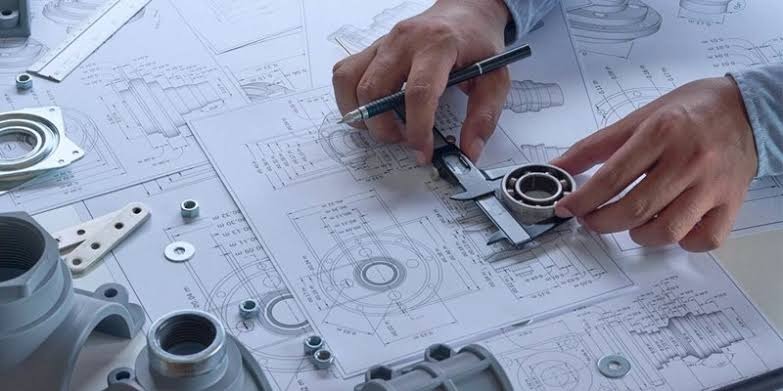
Engineering drawings play a vital role in quality control as well. During production, inspectors compare manufactured components against approved drawings to verify dimensions, tolerances, and technical specifications. This process ensures that products meet design requirements before they are delivered to customers or installed on-site. Consistent quality control reduces product defects, improves customer satisfaction, and strengthens a company’s reputation for reliability.
Modern industrial projects frequently require collaboration between mechanical, electrical, structural, and piping engineers. Coordinating these disciplines can be challenging without detailed technical documentation. CAD-generated engineering drawings allow different engineering teams to work together efficiently by providing accurate layouts, equipment positioning, connection details, and installation requirements. This coordination helps prevent design conflicts and simplifies the installation process.
Engineering drawings are also essential for equipment maintenance and future upgrades. Once machinery or industrial systems are installed, accurate documentation serves as a valuable reference for maintenance engineers and technicians. Technical drawings help identify component locations, understand system layouts, and perform repairs more efficiently. When facilities require expansion or modernization, existing engineering drawings make modifications easier while reducing downtime and unexpected complications.
Safety is another important reason why engineering drawings are essential. Industrial facilities often contain complex machinery, electrical systems, pressure equipment, and structural components that must be installed correctly to operate safely. Detailed engineering drawings provide clear installation instructions and technical specifications that reduce the likelihood of assembly errors. Proper documentation contributes to safer workplaces while helping organizations comply with industry regulations and engineering standards.
The use of Computer-Aided Design (CAD) has further improved the quality and efficiency of engineering drawings. Modern CAD software enables engineers to create precise 2D drawings and detailed 3D models with remarkable accuracy. Digital documentation simplifies revisions, improves collaboration, and ensures consistency across large industrial projects. Advanced CAD technology also allows engineers to visualize equipment before manufacturing begins, helping identify potential improvements early in the design process.
At CADMATIX ENGINEERING WORKS L.L.C., we provide professional engineering drafting and CAD design services that support industrial and manufacturing projects across the UAE. Our expertise includes technical drawings, mechanical drafting, architectural documentation, product design, geographical mapping, and engineering visualization. We work closely with manufacturers, consultants, contractors, and industrial businesses to deliver precise documentation that improves efficiency, supports quality production, and ensures compliance with engineering standards.
As industries continue to adopt advanced manufacturing technologies and automation, the demand for accurate engineering drawings continues to grow. Companies that invest in professional CAD drafting benefit from improved communication, better production planning, higher product quality, reduced manufacturing errors, and more efficient project execution. These advantages not only save time and money but also contribute to long-term operational success.
Engineering drawings are much more than technical documents—they are the blueprint for innovation, productivity, and precision. Whether manufacturing industrial equipment, fabricating structural components, or developing complex engineering systems, reliable technical documentation provides the confidence needed to move from concept to completion. By partnering with experienced engineering professionals, businesses can ensure that every project is built on a foundation of accuracy, quality, and technical excellence.