The construction industry is experiencing a significant transformation as sustainability and energy efficiency become central priorities for developers, architects, engineers, and property owners. Modern buildings are no longer designed solely for appearance and functionality; they are also expected to reduce energy consumption, lower operating costs, and minimize environmental impact. As governments and organizations worldwide focus on sustainable development, energy-efficient building design has emerged as one of the most important trends shaping the future of construction. Energy-efficient building design involves creating structures that use energy more effectively while maintaining comfort, safety, and performance. This approach considers various factors including building orientation, insulation, ventilation, lighting systems, construction materials, and overall architectural design. By carefully integrating these elements during the planning stage, engineers and designers can create buildings that consume less energy throughout their lifecycle. One of the primary reasons for the growing popularity of energy-efficient buildings is the increasing cost of energy. Commercial and residential property owners are constantly seeking ways to reduce utility expenses without compromising the quality of their buildings. Energy-efficient designs help lower electricity and cooling costs by optimizing the building’s performance. In regions such as the United Arab Emirates, where air conditioning represents a significant portion of energy consumption, efficient building design can generate substantial long-term savings. Environmental responsibility is another major factor driving the demand for sustainable construction solutions. Traditional buildings often consume large amounts of energy and contribute significantly to greenhouse gas emissions. Energy-efficient buildings reduce their environmental footprint by minimizing energy waste and utilizing resources more responsibly. As environmental regulations continue to evolve, organizations are increasingly investing in sustainable building practices to meet compliance requirements and demonstrate corporate responsibility. Proper building orientation is one of the most effective strategies in energy-efficient design. The positioning of a building can significantly impact natural lighting, heat gain, and cooling requirements. By carefully analyzing site conditions and environmental factors, designers can maximize natural daylight while minimizing excessive heat exposure. This reduces dependence on artificial lighting and cooling systems, resulting in improved energy performance. Insulation and thermal performance also play a critical role in energy efficiency. High-quality insulation materials help maintain indoor temperatures by reducing heat transfer between the interior and exterior of a building. This allows heating and cooling systems to operate more efficiently while providing greater comfort for occupants. Modern construction techniques and advanced materials have made it possible to achieve excellent thermal performance without sacrificing design flexibility. Lighting systems represent another area where energy-efficient design can have a significant impact. Traditional lighting solutions often consume unnecessary amounts of electricity, especially in large commercial buildings. Modern energy-efficient lighting technologies, including LED systems and smart controls, reduce energy consumption while providing superior illumination. Integrating these solutions into building designs helps improve operational efficiency and reduce maintenance costs. Ventilation and indoor air quality are equally important considerations. Well-designed ventilation systems improve occupant comfort while reducing the energy required for heating and cooling. Natural ventilation strategies can be incorporated into building designs to enhance airflow and reduce dependence on mechanical systems. These approaches contribute to healthier indoor environments while supporting overall energy efficiency objectives. Technology continues to play an increasingly important role in sustainable building design. Advanced engineering software and Computer-Aided Design (CAD) tools allow professionals to analyze building performance before construction begins. These technologies enable engineers to evaluate energy consumption patterns, optimize layouts, and identify opportunities for improvement. By using data-driven design methods, project teams can develop more efficient and cost-effective solutions. Energy-efficient buildings also provide long-term financial benefits beyond reduced utility costs. Properties designed with sustainability in mind often experience higher market values, improved tenant satisfaction, and lower maintenance expenses. Investors and property owners increasingly recognize that energy efficiency is not simply an environmental consideration but also a strategic business decision that contributes to long-term profitability. In the UAE’s rapidly developing construction sector, the demand for energy-efficient building solutions continues to grow. Developers, consultants, and construction professionals are increasingly seeking engineering partners capable of integrating sustainability into modern projects. Companies such as CADMATIX Engineering Works L.L.C support this transition by providing professional engineering services, architectural drawings, and energy-efficient design solutions that help clients achieve both performance and sustainability goals. As the construction industry moves toward a more sustainable future, energy-efficient building design will remain a key driver of innovation and development. Buildings that prioritize efficiency, environmental responsibility, and long-term performance will continue to deliver value for owners, occupants, and communities alike. Through thoughtful planning, advanced technology, and professional engineering expertise, energy-efficient design is helping create a smarter and more sustainable built environment for future generations.
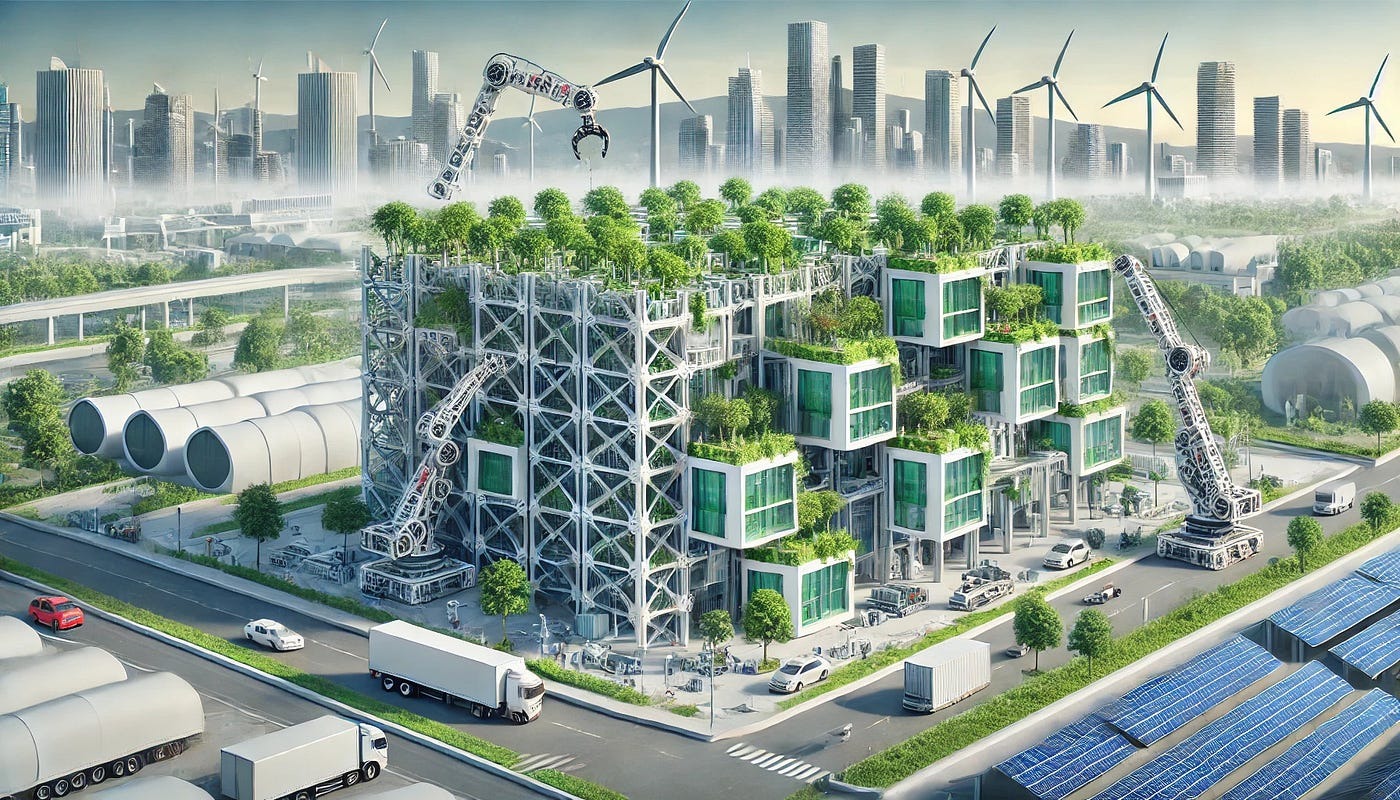
The construction industry is experiencing a significant transformation as sustainability and energy efficiency become central priorities for developers, architects, engineers, and property owners. Modern buildings are no longer designed solely for appearance and functionality; they are also expected to reduce energy consumption, lower operating costs, and minimize environmental impact. As governments and organizations worldwide focus on sustainable development, energy-efficient building design has emerged as one of the most important trends shaping the future of construction.
Energy-efficient building design involves creating structures that use energy more effectively while maintaining comfort, safety, and performance. This approach considers various factors including building orientation, insulation, ventilation, lighting systems, construction materials, and overall architectural design. By carefully integrating these elements during the planning stage, engineers and designers can create buildings that consume less energy throughout their lifecycle.
One of the primary reasons for the growing popularity of energy-efficient buildings is the increasing cost of energy. Commercial and residential property owners are constantly seeking ways to reduce utility expenses without compromising the quality of their buildings. Energy-efficient designs help lower electricity and cooling costs by optimizing the building’s performance. In regions such as the United Arab Emirates, where air conditioning represents a significant portion of energy consumption, efficient building design can generate substantial long-term savings.
Environmental responsibility is another major factor driving the demand for sustainable construction solutions. Traditional buildings often consume large amounts of energy and contribute significantly to greenhouse gas emissions. Energy-efficient buildings reduce their environmental footprint by minimizing energy waste and utilizing resources more responsibly. As environmental regulations continue to evolve, organizations are increasingly investing in sustainable building practices to meet compliance requirements and demonstrate corporate responsibility.
Proper building orientation is one of the most effective strategies in energy-efficient design. The positioning of a building can significantly impact natural lighting, heat gain, and cooling requirements. By carefully analyzing site conditions and environmental factors, designers can maximize natural daylight while minimizing excessive heat exposure. This reduces dependence on artificial lighting and cooling systems, resulting in improved energy performance.
Insulation and thermal performance also play a critical role in energy efficiency. High-quality insulation materials help maintain indoor temperatures by reducing heat transfer between the interior and exterior of a building. This allows heating and cooling systems to operate more efficiently while providing greater comfort for occupants. Modern construction techniques and advanced materials have made it possible to achieve excellent thermal performance without sacrificing design flexibility.
Lighting systems represent another area where energy-efficient design can have a significant impact. Traditional lighting solutions often consume unnecessary amounts of electricity, especially in large commercial buildings. Modern energy-efficient lighting technologies, including LED systems and smart controls, reduce energy consumption while providing superior illumination. Integrating these solutions into building designs helps improve operational efficiency and reduce maintenance costs.
Ventilation and indoor air quality are equally important considerations. Well-designed ventilation systems improve occupant comfort while reducing the energy required for heating and cooling. Natural ventilation strategies can be incorporated into building designs to enhance airflow and reduce dependence on mechanical systems. These approaches contribute to healthier indoor environments while supporting overall energy efficiency objectives.
Technology continues to play an increasingly important role in sustainable building design. Advanced engineering software and Computer-Aided Design (CAD) tools allow professionals to analyze building performance before construction begins. These technologies enable engineers to evaluate energy consumption patterns, optimize layouts, and identify opportunities for improvement. By using data-driven design methods, project teams can develop more efficient and cost-effective solutions.
Energy-efficient buildings also provide long-term financial benefits beyond reduced utility costs. Properties designed with sustainability in mind often experience higher market values, improved tenant satisfaction, and lower maintenance expenses. Investors and property owners increasingly recognize that energy efficiency is not simply an environmental consideration but also a strategic business decision that contributes to long-term profitability.
In the UAE’s rapidly developing construction sector, the demand for energy-efficient building solutions continues to grow. Developers, consultants, and construction professionals are increasingly seeking engineering partners capable of integrating sustainability into modern projects. Companies such as CADMATIX Engineering Works L.L.C support this transition by providing professional engineering services, architectural drawings, and energy-efficient design solutions that help clients achieve both performance and sustainability goals.
As the construction industry moves toward a more sustainable future, energy-efficient building design will remain a key driver of innovation and development. Buildings that prioritize efficiency, environmental responsibility, and long-term performance will continue to deliver value for owners, occupants, and communities alike. Through thoughtful planning, advanced technology, and professional engineering expertise, energy-efficient design is helping create a smarter and more sustainable built environment for future generations.