Sustainability is becoming a major priority in the global construction industry. Governments, developers, and businesses are increasingly focusing on energy-efficient building solutions to reduce environmental impact and operational costs. Energy-efficient design is no longer just a trend. It is becoming an essential requirement for modern buildings. In the UAE, where climate conditions create high energy demands, sustainable construction practices are especially important. What Is Energy-Efficient Building Design? Energy-efficient building design focuses on reducing energy consumption while maintaining comfort, functionality, and performance. This includes optimizing building orientation, ventilation, insulation, lighting, and material selection. Professional engineering and architectural teams use technical planning and design strategies to improve energy performance throughout the building lifecycle. Benefits of Energy-Efficient Buildings Lower Operational Costs Efficient buildings consume less electricity and reduce utility expenses. Improved Environmental Performance Reduced energy usage lowers carbon emissions and environmental impact. Better Indoor Comfort Energy-efficient designs improve temperature control and air quality. Increased Property Value Sustainable buildings often attract higher market value and long-term investment potential. Key Elements of Sustainable Building Design Smart Space Planning Efficient layouts maximize natural ventilation and lighting. High-Performance Materials Energy-efficient insulation and construction materials improve thermal performance. Efficient Lighting Systems LED lighting and smart controls reduce electricity consumption. HVAC Optimization Modern cooling systems improve energy management and indoor comfort. Renewable Energy Integration Solar energy systems are becoming increasingly common in modern developments. The UAE’s Focus on Sustainability The UAE has introduced various sustainability initiatives aimed at improving environmental performance across the construction sector. Developers are increasingly prioritizing green building standards and energy-efficient infrastructure. Engineering and design companies that provide sustainable planning solutions help clients meet modern environmental expectations while improving project performance. Why Professional Engineering Support Matters Energy-efficient building design requires technical expertise and accurate planning. Professional engineering firms help developers integrate sustainable solutions into their projects while maintaining functionality and compliance. Detailed CAD drawings and engineering analysis ensure energy-efficient systems are implemented effectively. Conclusion Energy-efficient building design represents the future of sustainable construction. Businesses and developers that invest in sustainable engineering solutions benefit from reduced operational costs, improved environmental performance, and long-term value. As the UAE continues to prioritize sustainability, energy-efficient design will play a critical role in shaping the future of modern construction.
Sustainability is becoming a major priority in the global construction industry. Governments, developers, and businesses are increasingly focusing on energy-efficient building solutions to reduce environmental impact and operational costs.
Energy-efficient design is no longer just a trend. It is becoming an essential requirement for modern buildings.
In the UAE, where climate conditions create high energy demands, sustainable construction practices are especially important.
What Is Energy-Efficient Building Design?
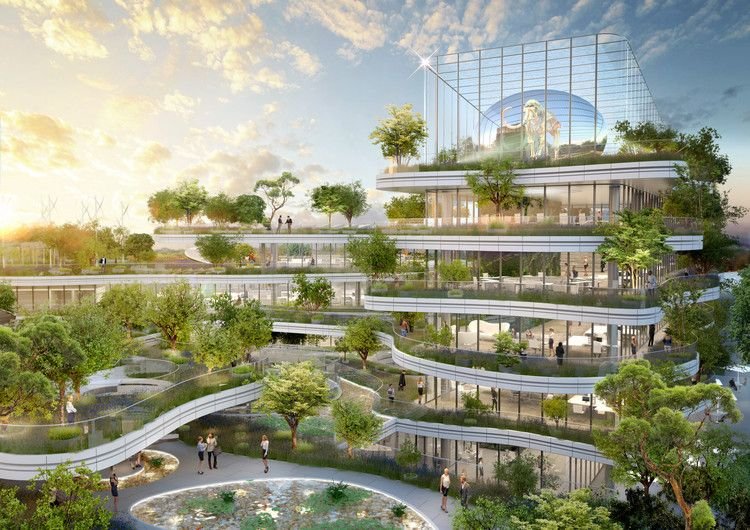
Energy-efficient building design focuses on reducing energy consumption while maintaining comfort, functionality, and performance.
This includes optimizing building orientation, ventilation, insulation, lighting, and material selection.
Professional engineering and architectural teams use technical planning and design strategies to improve energy performance throughout the building lifecycle.
Benefits of Energy-Efficient Buildings
Lower Operational Costs
Efficient buildings consume less electricity and reduce utility expenses.
Improved Environmental Performance
Reduced energy usage lowers carbon emissions and environmental impact.
Better Indoor Comfort
Energy-efficient designs improve temperature control and air quality.
Increased Property Value
Sustainable buildings often attract higher market value and long-term investment potential.
Key Elements of Sustainable Building Design
Smart Space Planning
Efficient layouts maximize natural ventilation and lighting.
High-Performance Materials
Energy-efficient insulation and construction materials improve thermal performance.
Efficient Lighting Systems
LED lighting and smart controls reduce electricity consumption.
HVAC Optimization
Modern cooling systems improve energy management and indoor comfort.
Renewable Energy Integration
Solar energy systems are becoming increasingly common in modern developments.
The UAE’s Focus on Sustainability
The UAE has introduced various sustainability initiatives aimed at improving environmental performance across the construction sector.
Developers are increasingly prioritizing green building standards and energy-efficient infrastructure.
Engineering and design companies that provide sustainable planning solutions help clients meet modern environmental expectations while improving project performance.
Why Professional Engineering Support Matters
Energy-efficient building design requires technical expertise and accurate planning.
Professional engineering firms help developers integrate sustainable solutions into their projects while maintaining functionality and compliance.
Detailed CAD drawings and engineering analysis ensure energy-efficient systems are implemented effectively.
Conclusion
Energy-efficient building design represents the future of sustainable construction.
Businesses and developers that invest in sustainable engineering solutions benefit from reduced operational costs, improved environmental performance, and long-term value.
As the UAE continues to prioritize sustainability, energy-efficient design will play a critical role in shaping the future of modern construction.