The construction industry is evolving faster than ever, driven by technological innovation, increasing project complexity, and growing demands for efficiency. One of the most significant advancements shaping modern construction is Computer-Aided Design (CAD) technology. From concept development to final construction, CAD has become an essential tool for architects, engineers, consultants, and contractors worldwide. In 2026, the role of CAD technology continues to expand, helping organizations improve accuracy, reduce costs, and deliver projects more efficiently. Traditionally, technical drawings were created manually, requiring extensive time and effort to produce and revise plans. Any design modification often meant redrawing entire sections of a project, increasing the risk of errors and delays. CAD technology has transformed this process by allowing professionals to create, modify, and manage drawings digitally. This not only speeds up the design process but also improves precision and consistency throughout a project’s lifecycle. One of the greatest advantages of CAD technology is accuracy. Construction projects depend heavily on precise measurements and technical details. Even minor mistakes in drawings can result in costly delays, material waste, and structural issues. CAD software enables engineers and designers to create highly detailed drawings with exact dimensions, ensuring that every component of a project is represented correctly. This level of accuracy significantly reduces the risk of errors during construction. CAD technology also enhances collaboration among project stakeholders. Modern construction projects involve multiple teams, including architects, structural engineers, MEP consultants, contractors, and project managers. By using standardized digital drawings, teams can share information efficiently and work from the same set of project data. This improves communication, reduces misunderstandings, and helps ensure that all disciplines remain aligned throughout the project. Another major benefit is the ability to visualize projects before construction begins. Advanced CAD software allows professionals to create realistic 2D and 3D models that provide a clear representation of the final structure. Clients can better understand the design, review layouts, and request modifications before construction starts. This early visualization helps identify potential issues and improves decision-making during the planning phase. The integration of CAD with Building Information Modeling (BIM) has further revolutionized the construction industry. BIM enables project teams to create intelligent digital models containing detailed information about building components, systems, and materials. CAD drawings serve as the foundation for BIM workflows, allowing teams to detect clashes, optimize designs, and improve project coordination before work begins on-site. This proactive approach reduces rework and contributes to smoother project execution. Sustainability is another area where CAD technology is making a significant impact. As governments and organizations increasingly prioritize energy-efficient and environmentally responsible buildings, CAD tools help designers evaluate building performance during the planning stage. Engineers can analyze factors such as energy consumption, lighting efficiency, ventilation, and material usage to create more sustainable structures. These capabilities support green building initiatives while helping clients reduce long-term operating costs. Cost control remains a critical concern for developers and contractors. CAD technology contributes to better budgeting by providing accurate technical documentation and quantity calculations. Detailed drawings enable precise material estimation, reducing waste and improving procurement planning. By identifying potential challenges early, project teams can avoid unexpected expenses and maintain greater control over project budgets. The construction sector in the UAE continues to embrace digital transformation, making CAD technology more important than ever. Large-scale developments, smart city initiatives, and infrastructure projects require advanced design solutions that support efficiency and innovation. Organizations that invest in professional CAD services gain a competitive advantage by improving project quality, reducing risks, and accelerating delivery timelines. At CADMATIX ENGINEERING WORKS L.L.C, we understand the vital role that CAD technology plays in modern construction. Our team provides professional CAD drafting, architectural drawings, engineering documentation, geographical mapping, product design, and energy-efficient building solutions tailored to the needs of today’s construction industry. We are committed to delivering accurate, high-quality technical drawings that support successful project outcomes and long-term client satisfaction. As construction projects continue to grow in scale and complexity, CAD technology will remain a cornerstone of the industry. Its ability to improve accuracy, collaboration, visualization, and sustainability makes it an indispensable tool for modern engineering and construction professionals. Businesses that embrace advanced CAD solutions today will be better positioned to meet the challenges and opportunities of tomorrow’s construction landscape.
The construction industry is evolving faster than ever, driven by technological innovation, increasing project complexity, and growing demands for efficiency. One of the most significant advancements shaping modern construction is Computer-Aided Design (CAD) technology. From concept development to final construction, CAD has become an essential tool for architects, engineers, consultants, and contractors worldwide. In 2026, the role of CAD technology continues to expand, helping organizations improve accuracy, reduce costs, and deliver projects more efficiently.
Traditionally, technical drawings were created manually, requiring extensive time and effort to produce and revise plans. Any design modification often meant redrawing entire sections of a project, increasing the risk of errors and delays. CAD technology has transformed this process by allowing professionals to create, modify, and manage drawings digitally. This not only speeds up the design process but also improves precision and consistency throughout a project’s lifecycle.
One of the greatest advantages of CAD technology is accuracy. Construction projects depend heavily on precise measurements and technical details. Even minor mistakes in drawings can result in costly delays, material waste, and structural issues. CAD software enables engineers and designers to create highly detailed drawings with exact dimensions, ensuring that every component of a project is represented correctly. This level of accuracy significantly reduces the risk of errors during construction.
CAD technology also enhances collaboration among project stakeholders. Modern construction projects involve multiple teams, including architects, structural engineers, MEP consultants, contractors, and project managers. By using standardized digital drawings, teams can share information efficiently and work from the same set of project data. This improves communication, reduces misunderstandings, and helps ensure that all disciplines remain aligned throughout the project.
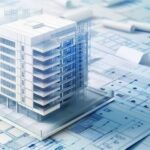
Another major benefit is the ability to visualize projects before construction begins. Advanced CAD software allows professionals to create realistic 2D and 3D models that provide a clear representation of the final structure. Clients can better understand the design, review layouts, and request modifications before construction starts. This early visualization helps identify potential issues and improves decision-making during the planning phase.
The integration of CAD with Building Information Modeling (BIM) has further revolutionized the construction industry. BIM enables project teams to create intelligent digital models containing detailed information about building components, systems, and materials. CAD drawings serve as the foundation for BIM workflows, allowing teams to detect clashes, optimize designs, and improve project coordination before work begins on-site. This proactive approach reduces rework and contributes to smoother project execution.
Sustainability is another area where CAD technology is making a significant impact. As governments and organizations increasingly prioritize energy-efficient and environmentally responsible buildings, CAD tools help designers evaluate building performance during the planning stage. Engineers can analyze factors such as energy consumption, lighting efficiency, ventilation, and material usage to create more sustainable structures. These capabilities support green building initiatives while helping clients reduce long-term operating costs.
Cost control remains a critical concern for developers and contractors. CAD technology contributes to better budgeting by providing accurate technical documentation and quantity calculations. Detailed drawings enable precise material estimation, reducing waste and improving procurement planning. By identifying potential challenges early, project teams can avoid unexpected expenses and maintain greater control over project budgets.
The construction sector in the UAE continues to embrace digital transformation, making CAD technology more important than ever. Large-scale developments, smart city initiatives, and infrastructure projects require advanced design solutions that support efficiency and innovation. Organizations that invest in professional CAD services gain a competitive advantage by improving project quality, reducing risks, and accelerating delivery timelines.
At CADMATIX ENGINEERING WORKS L.L.C, we understand the vital role that CAD technology plays in modern construction. Our team provides professional CAD drafting, architectural drawings, engineering documentation, geographical mapping, product design, and energy-efficient building solutions tailored to the needs of today’s construction industry. We are committed to delivering accurate, high-quality technical drawings that support successful project outcomes and long-term client satisfaction.
As construction projects continue to grow in scale and complexity, CAD technology will remain a cornerstone of the industry. Its ability to improve accuracy, collaboration, visualization, and sustainability makes it an indispensable tool for modern engineering and construction professionals. Businesses that embrace advanced CAD solutions today will be better positioned to meet the challenges and opportunities of tomorrow’s construction landscape.