Energy efficiency has become a major priority for the global construction industry. As building owners seek to reduce operational costs and governments promote sustainable development, energy-efficient building design is rapidly becoming a standard requirement rather than an optional feature. In the UAE, where climate conditions create significant energy demands, efficient building design offers substantial long-term benefits. Energy-efficient buildings are designed to minimize energy consumption while maintaining comfort, safety, and functionality. This approach begins during the planning and design stage, where architects and engineers evaluate factors such as building orientation, insulation, ventilation, glazing systems, and lighting performance. By optimizing these elements, buildings can significantly reduce their reliance on mechanical cooling and artificial lighting. One of the most significant advantages of energy-efficient design is lower operating costs. Energy consumption represents a substantial portion of a building’s long-term expenses. Efficient systems and smart design strategies reduce utility costs while improving overall building performance. Sustainability is another key benefit. Reducing energy consumption lowers greenhouse gas emissions and supports environmental responsibility. Many organizations now prioritize sustainable construction practices as part of their corporate social responsibility initiatives and environmental goals. Modern energy-efficient buildings also improve occupant comfort. Proper ventilation, natural daylight, thermal insulation, and indoor air quality contribute to healthier and more productive environments. These factors are increasingly important for residential, commercial, and institutional developments. At CADMATIX ENGINEERING WORKS L.L.C, we integrate energy-efficient design principles into our engineering and architectural services. Our goal is to help clients create buildings that are sustainable, cost-effective, and prepared for the future demands of the construction industry.
Energy efficiency has become a major priority for the global construction industry. As building owners seek to reduce operational costs and governments promote sustainable development, energy-efficient building design is rapidly becoming a standard requirement rather than an optional feature. In the UAE, where climate conditions create significant energy demands, efficient building design offers substantial long-term benefits.
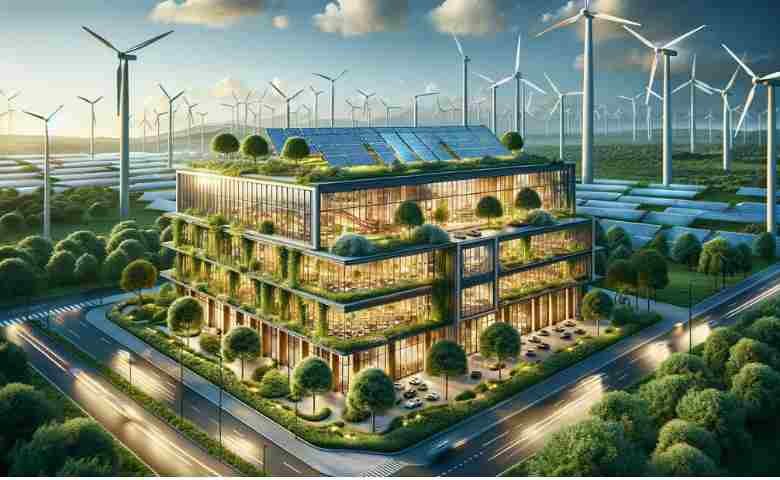
Energy-efficient buildings are designed to minimize energy consumption while maintaining comfort, safety, and functionality. This approach begins during the planning and design stage, where architects and engineers evaluate factors such as building orientation, insulation, ventilation, glazing systems, and lighting performance. By optimizing these elements, buildings can significantly reduce their reliance on mechanical cooling and artificial lighting.
One of the most significant advantages of energy-efficient design is lower operating costs. Energy consumption represents a substantial portion of a building’s long-term expenses. Efficient systems and smart design strategies reduce utility costs while improving overall building performance.
Sustainability is another key benefit. Reducing energy consumption lowers greenhouse gas emissions and supports environmental responsibility. Many organizations now prioritize sustainable construction practices as part of their corporate social responsibility initiatives and environmental goals.
Modern energy-efficient buildings also improve occupant comfort. Proper ventilation, natural daylight, thermal insulation, and indoor air quality contribute to healthier and more productive environments. These factors are increasingly important for residential, commercial, and institutional developments.
At CADMATIX ENGINEERING WORKS L.L.C, we integrate energy-efficient design principles into our engineering and architectural services. Our goal is to help clients create buildings that are sustainable, cost-effective, and prepared for the future demands of the construction industry.